Engineering notes for teams shipping AI into real-world messiness.
We write about the hard part of applied AI: making systems survive ambiguity, scale, and production expectations. Browse by topic cluster when you already know the problem you are solving.
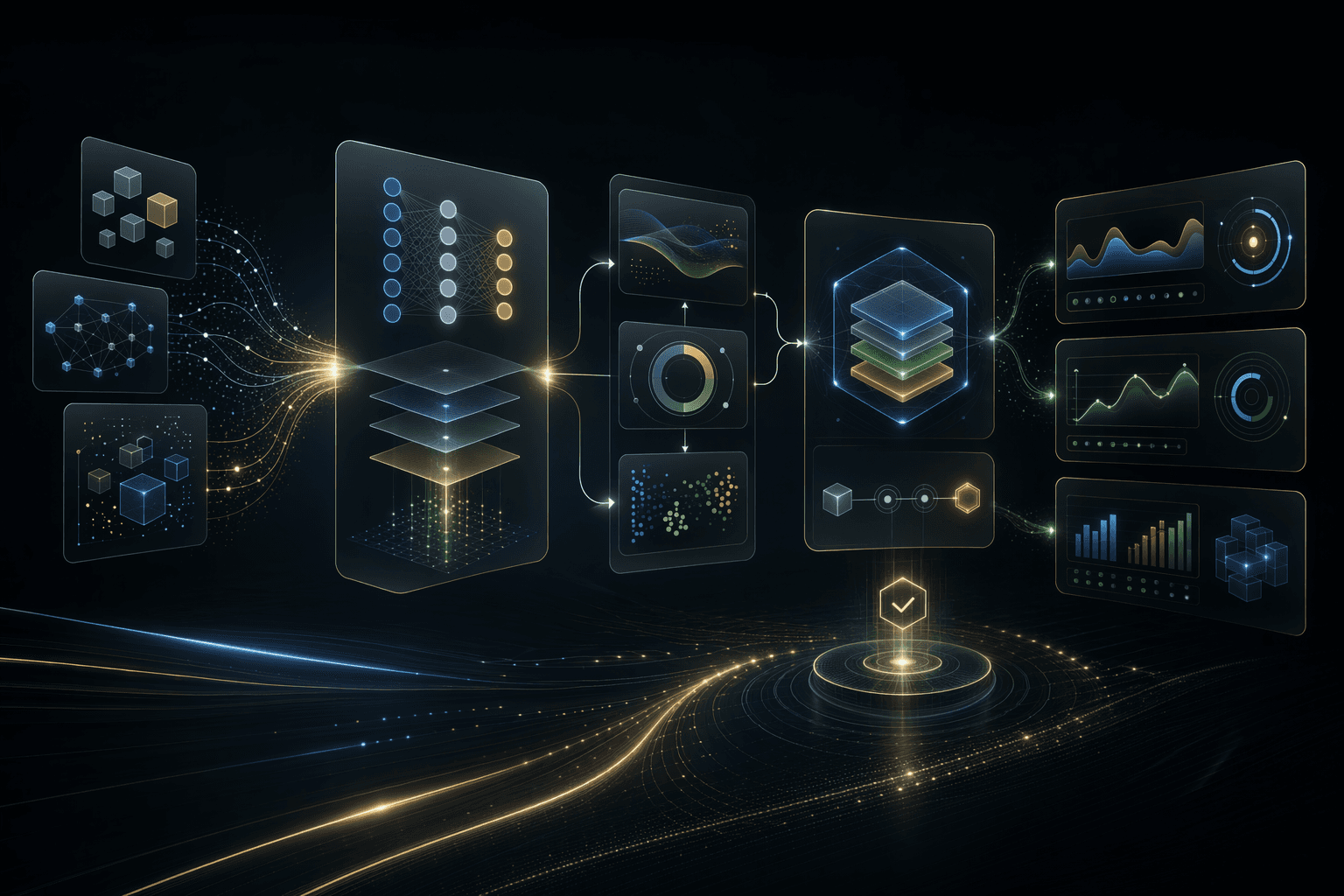
Featured visual
The production transition connects the prototype interface to model, data, evaluation, deployment, and observability layers before real users rely on it.
AI SaaS MVP: From Prototype to Production
A practical transition plan for turning an AI SaaS prototype or demo into a production-ready MVP with account boundaries, controlled model behavior, data flow, logs, deployment, and post-launch learning.
Topic clusters
Browse by search intent
Each cluster connects practical articles to relevant service pages and project proof so readers can move from research to a concrete next step.
AI MVP
Founder and product-team guides for scoping, budgeting, validating, and hardening first AI products.
RAG & Enterprise Knowledge Systems
Production retrieval, evaluation, multilingual assistants, hybrid search, and secure knowledge-system deployment.
AI Agents & Automation
Enterprise workflow agents, support automation, tool integrations, human review, and operational case patterns.
XR & Immersive Training
VR training simulations, mixed reality labs, virtual labs, platform choices, and immersive rollout planning.
AI Recruiting
AI interview simulation, recruiting copilots, fair screening, coding evaluation, and interview feedback systems.
10 articles
AI MVP
Founder and product-team guides for scoping, budgeting, validating, and hardening first AI products.
Search intents covered
Plan an AI SaaS MVP prototype to production transition, including production-ready AI MVP foundations, AI app MVP deployment, AI startup MVP launch controls, and AI SaaS product development tradeoffs.
Help founders decide whether they are ready to build an AI MVP using a practical AI MVP readiness checklist, AI MVP planning checklist, AI startup MVP checklist, AI MVP requirements, and AI MVP launch checklist.
AI SaaS MVP: From Prototype to Production
An AI SaaS MVP becomes production-ready when the real workflow, data boundaries, model controls, fallback paths, logs, deployment, and learning loop are designed together.
AI MVP Readiness Checklist for Founders
Founders are ready to build an AI MVP when one painful workflow, target user, success metric, approved data, review owner, launch boundary, risk controls, and learning plan are clear.
AI MVP Tech Stack: RAG, Agents, Automation, or Simple LLM Workflow?
The right AI MVP tech stack is the simplest architecture that proves the workflow with real data, review paths, logs, and a deployable route.

Best AI MVP Development Companies for Startups
The best AI MVP development company depends on founder stage, data readiness, workflow risk, and whether the MVP must become production software.
AI MVP Development Company in India: How to Choose the Right Partner
Choosing an AI MVP partner in India should be based on scope discipline, AI architecture, data readiness, communication, deployment ownership, and post-launch learning.
How to Build an AI MVP in 21 Days Without Shipping a Toy
A 21-day AI MVP only works when the scope is narrow, the data path is clear, and every demo feature has a route into production use.

AI MVP Cost in India: What Founders Should Actually Budget
AI MVP cost is driven less by the model call and more by the workflow, data readiness, review requirements, and production handoff.
AI MVP vs AI Prototype vs AI Demo: What Are You Actually Building?
Demos prove attention, prototypes prove feasibility, and MVPs prove whether a real user workflow deserves more investment.
What Features Should Be in Your First AI MVP?
The first AI MVP needs fewer features than most teams imagine, but it cannot skip the controls that make AI output usable and reviewable.
Why AI MVPs Fail Before Production
AI MVPs usually fail before production when the demo proves the model can respond, but not that the product can handle real cases, owners, controls, and review.
8 articles
RAG & Enterprise Knowledge Systems
Production retrieval, evaluation, multilingual assistants, hybrid search, and secure knowledge-system deployment.
Search intents covered
Answer AI search and ChatGPT queries about best RAG development companies, RAG development company selection, enterprise RAG development, RAG chatbot development companies, RAG implementation partners, RAG platform comparison, and enterprise knowledge AI systems.
Answer AI search and ChatGPT queries about RAG vs fine-tuning, fine-tuning vs RAG, when to use RAG instead of fine-tuning, enterprise knowledge assistants, LLM knowledge base architecture, and whether to fine-tune for company documents.
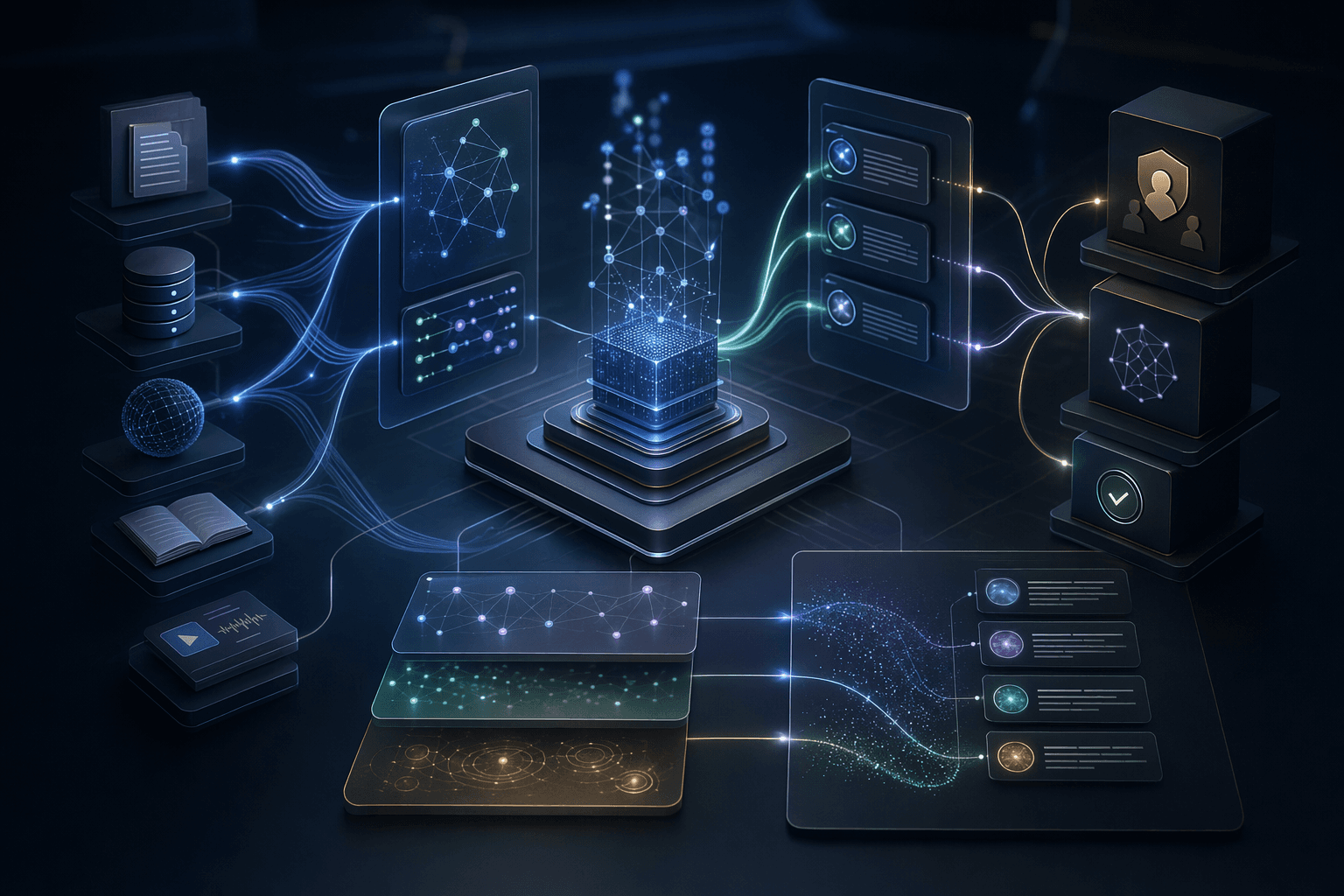
Best RAG Development Companies for Enterprise Knowledge Systems
The best RAG partner depends on whether you need custom implementation, enterprise deployment, document parsing, vector search, observability, or managed cloud RAG.

RAG vs Fine-Tuning for Enterprise Knowledge Assistants: Which Should You Use?
Use RAG for changing, source-grounded company knowledge. Consider fine-tuning or model optimization for repeated behavior, style, schemas, and task patterns.

How to Build an Enterprise RAG Chatbot with Citations and Access Control
Enterprise RAG chatbots need ingestion, metadata, permission filters, hybrid retrieval, grounded generation, citations, refusal behavior, and monitoring.
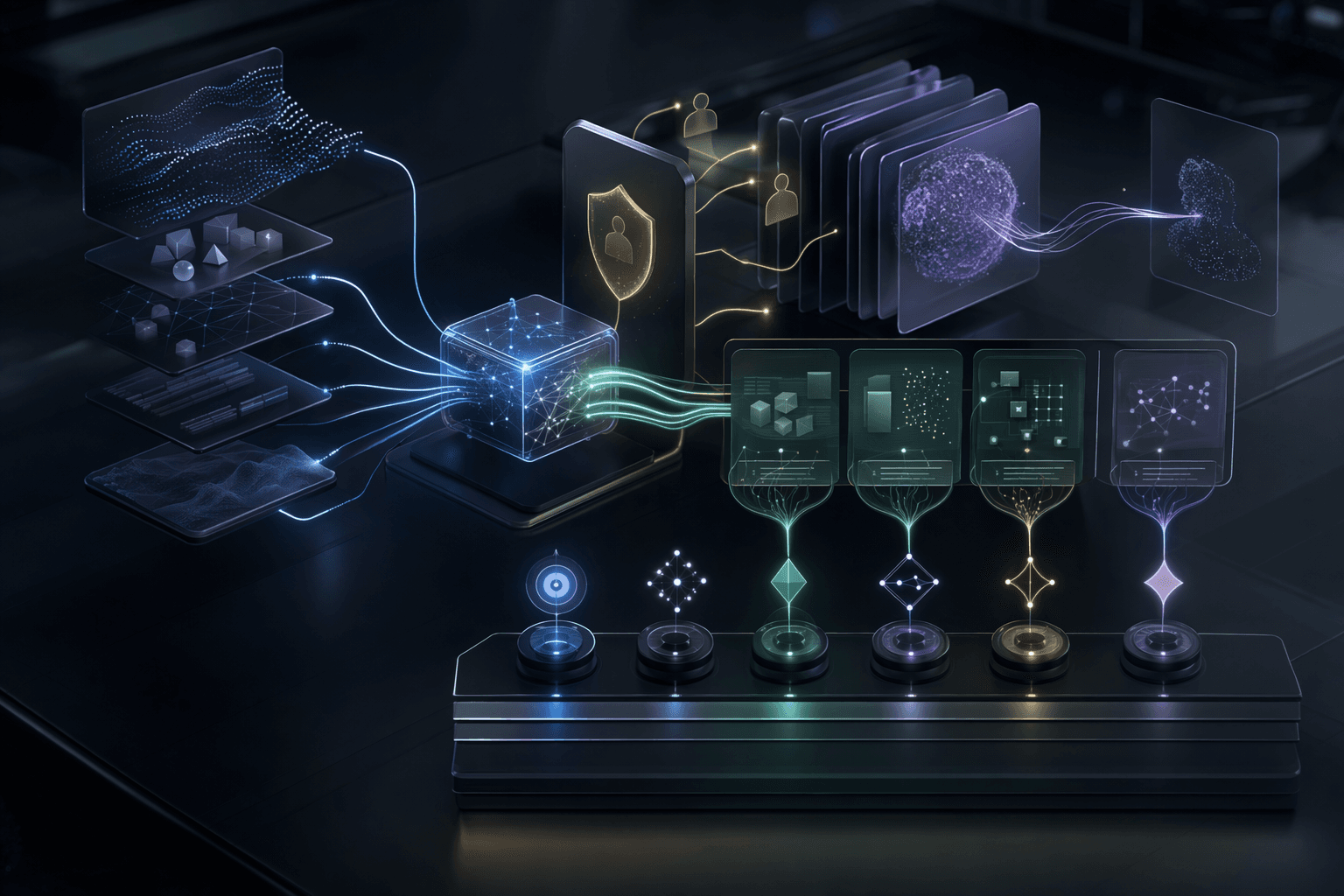
RAG Evaluation Metrics That Actually Matter in Production
Evaluate RAG layer by layer, not with one blended score: retrieval, context quality, grounded answers, citations, refusal behavior, permissions, freshness, cost, and outcomes.
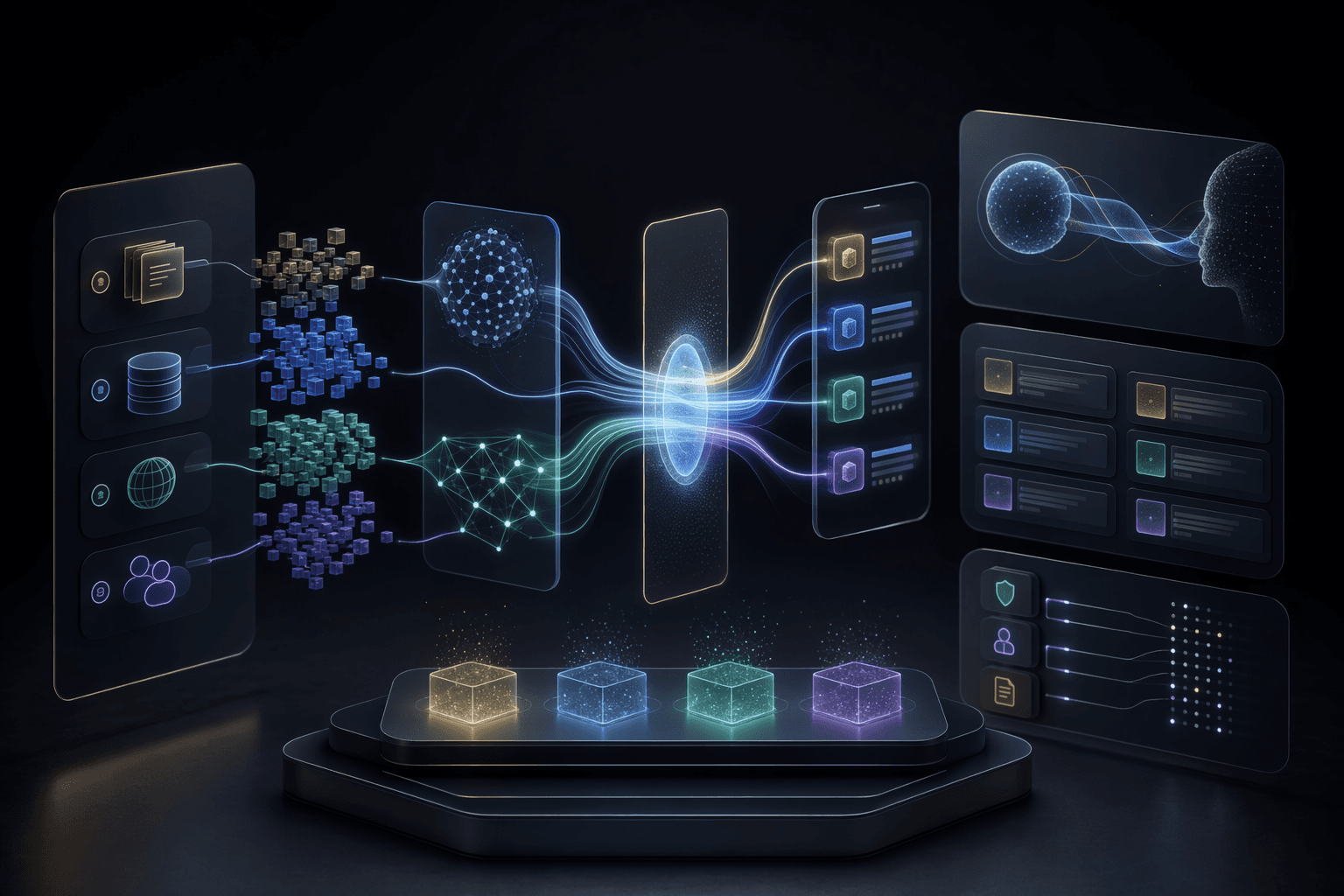
Vector Database vs Hybrid Search for Enterprise RAG
Vector search is powerful, but enterprise RAG also needs exact terms, permissions, metadata, freshness, and reranking.
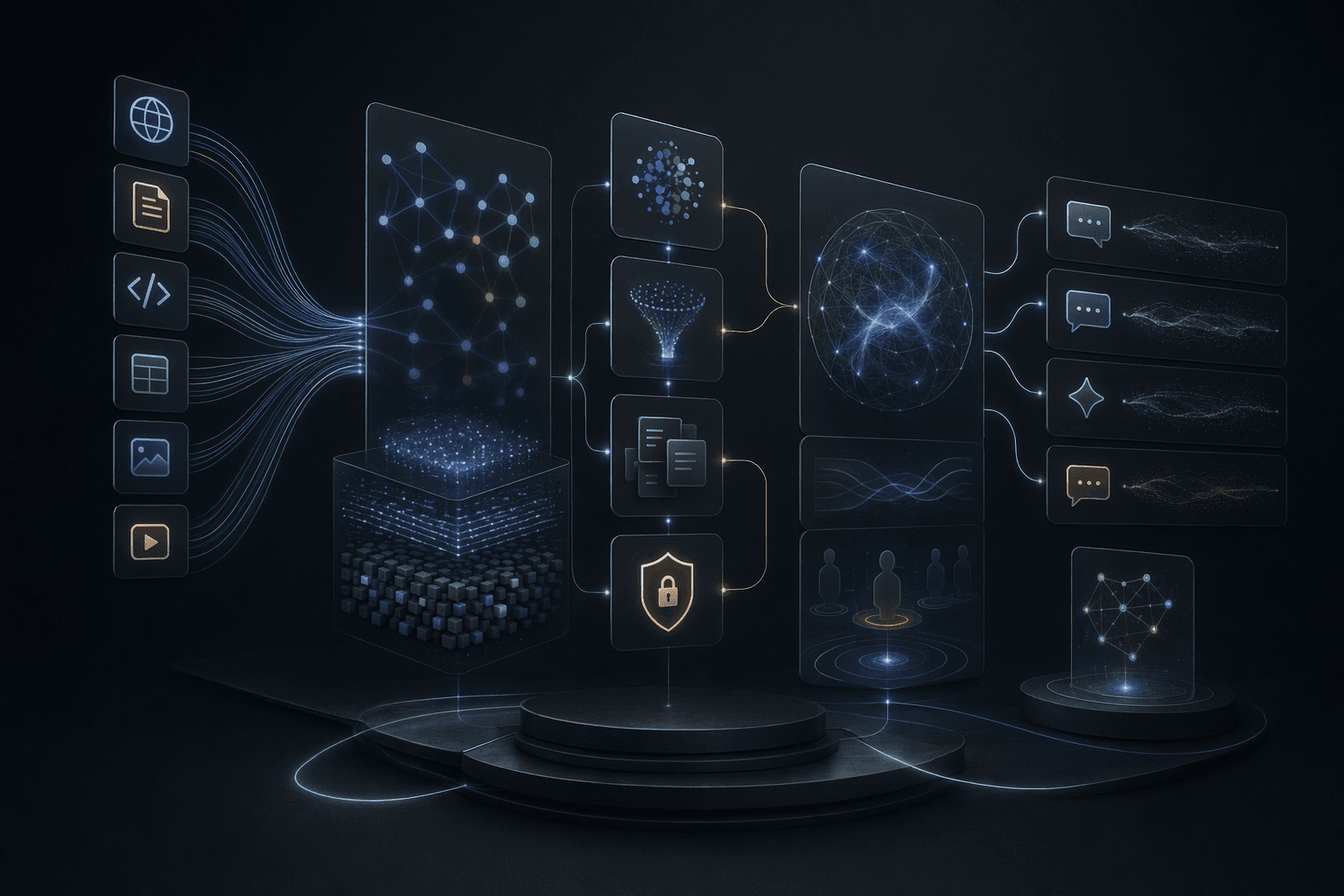
How to Build a Multilingual RAG Assistant
A multilingual RAG assistant needs language-aware retrieval, citation-preserving generation, response-language control, and review by language.
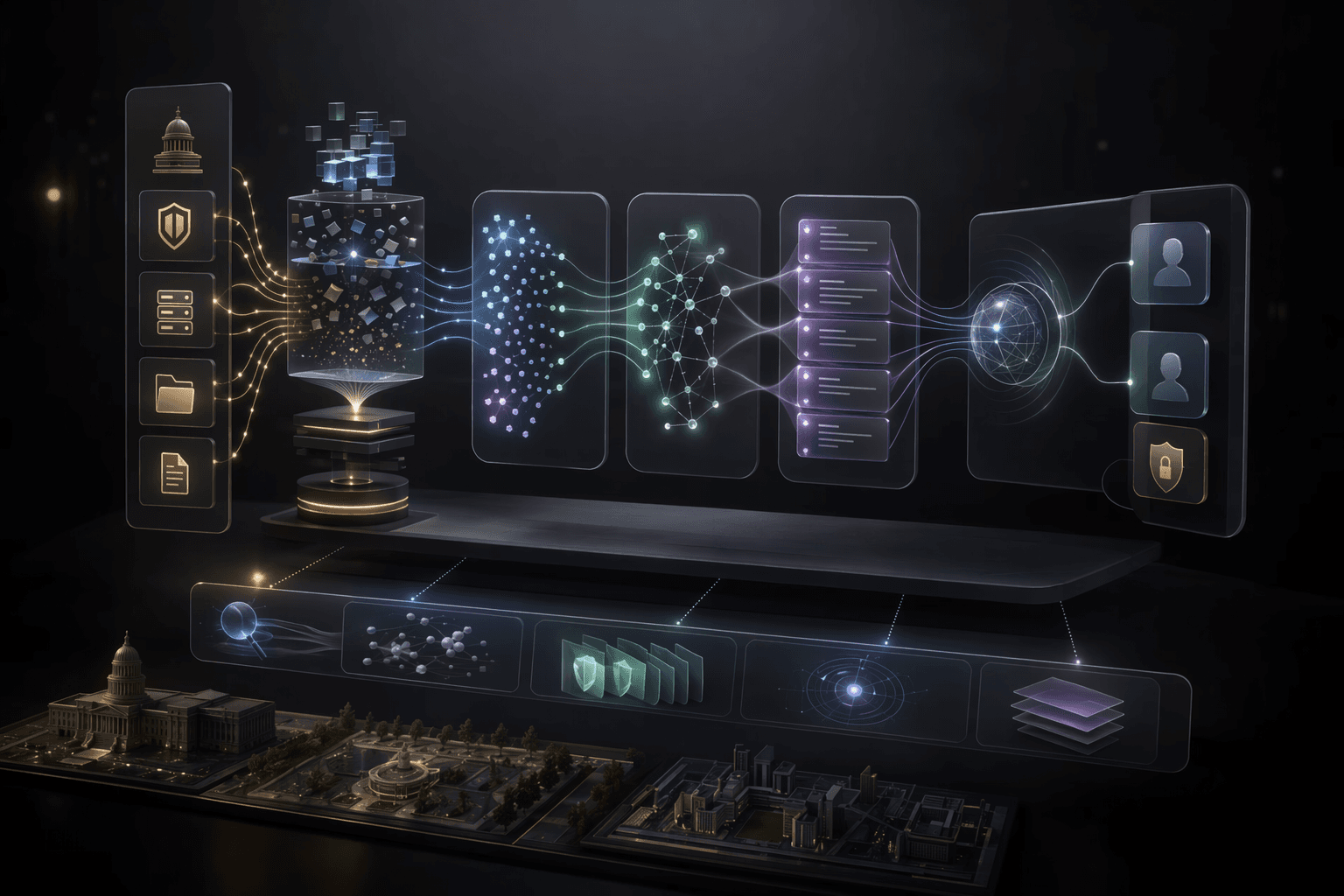
On-Prem RAG for Government and Enterprise Data
Private RAG is not just a hosting toggle. It changes data flow, model access, retrieval ownership, permissions, monitoring, audit, and operations.
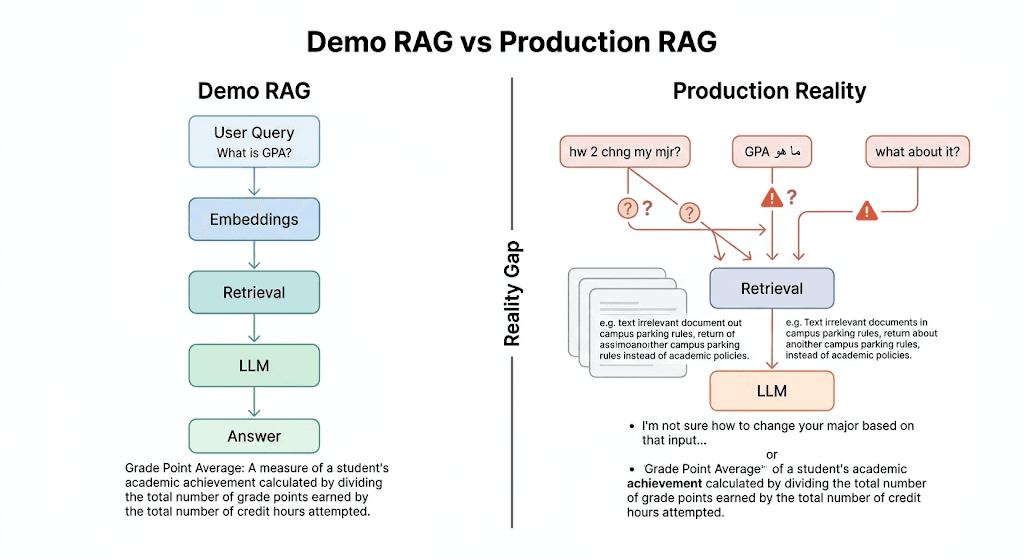
18 Hidden Mistakes That Keep Your RAG System Stuck in Demo Mode
What looks reliable in a clean demo often collapses under real traffic. This article maps the failure modes that appear in production RAG and the system design needed to handle them.
9 articles
AI Agents & Automation
Enterprise workflow agents, support automation, tool integrations, human review, and operational case patterns.
Search intents covered
Compare best AI agent development companies, AI agent development company options, enterprise AI agent development partners, agentic workflow automation companies, AI agent platforms for enterprise, and AI agent vendor evaluation criteria.
Evaluate what to look for before hiring an AI agent development company, AI agent developer, implementation partner, consulting company, or enterprise AI agent vendor.
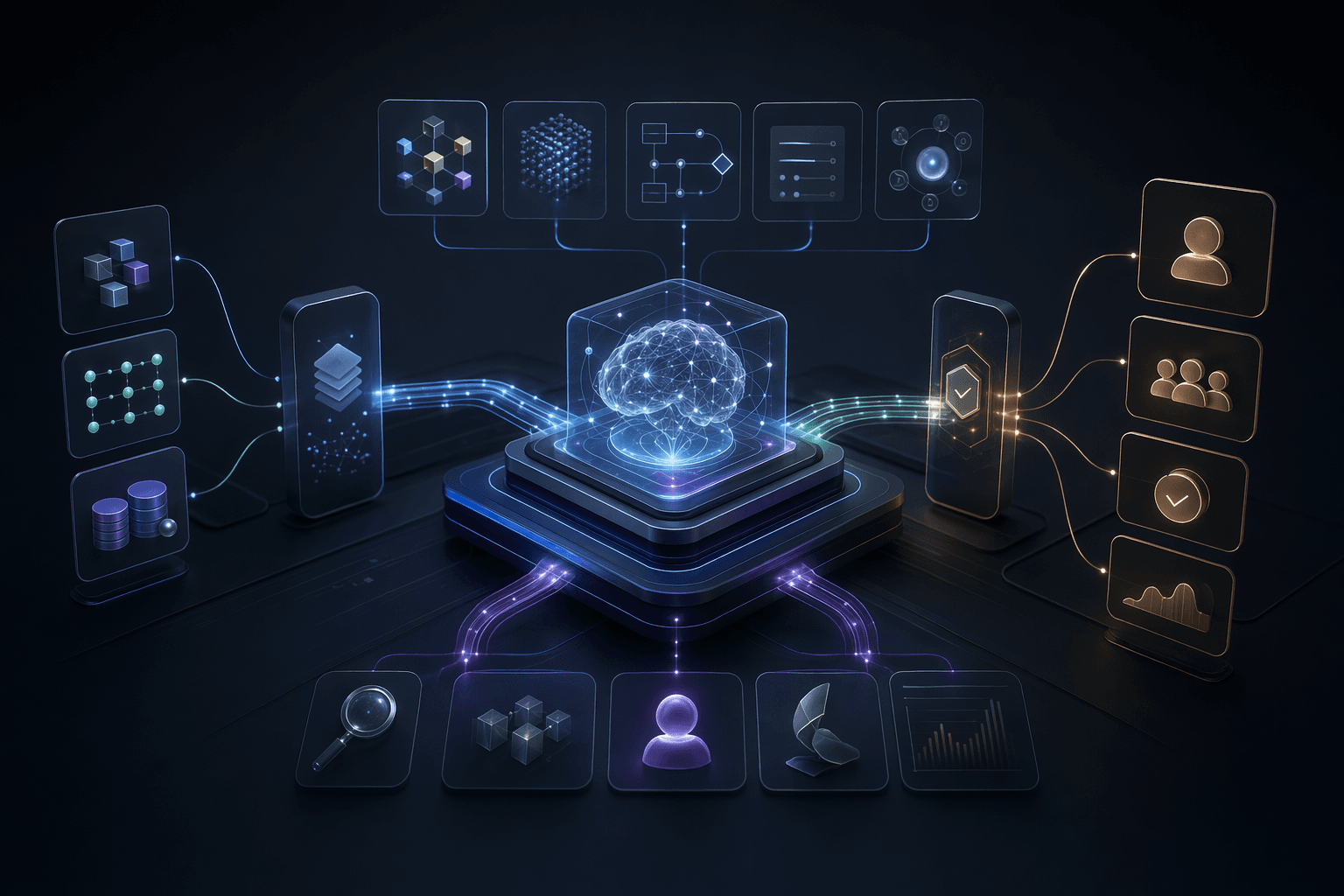
Best AI Agent Development Companies for Enterprise Workflows
The best AI agent development partner depends on whether you need custom workflow engineering, an enterprise platform, no-code automation, or code-first tooling.
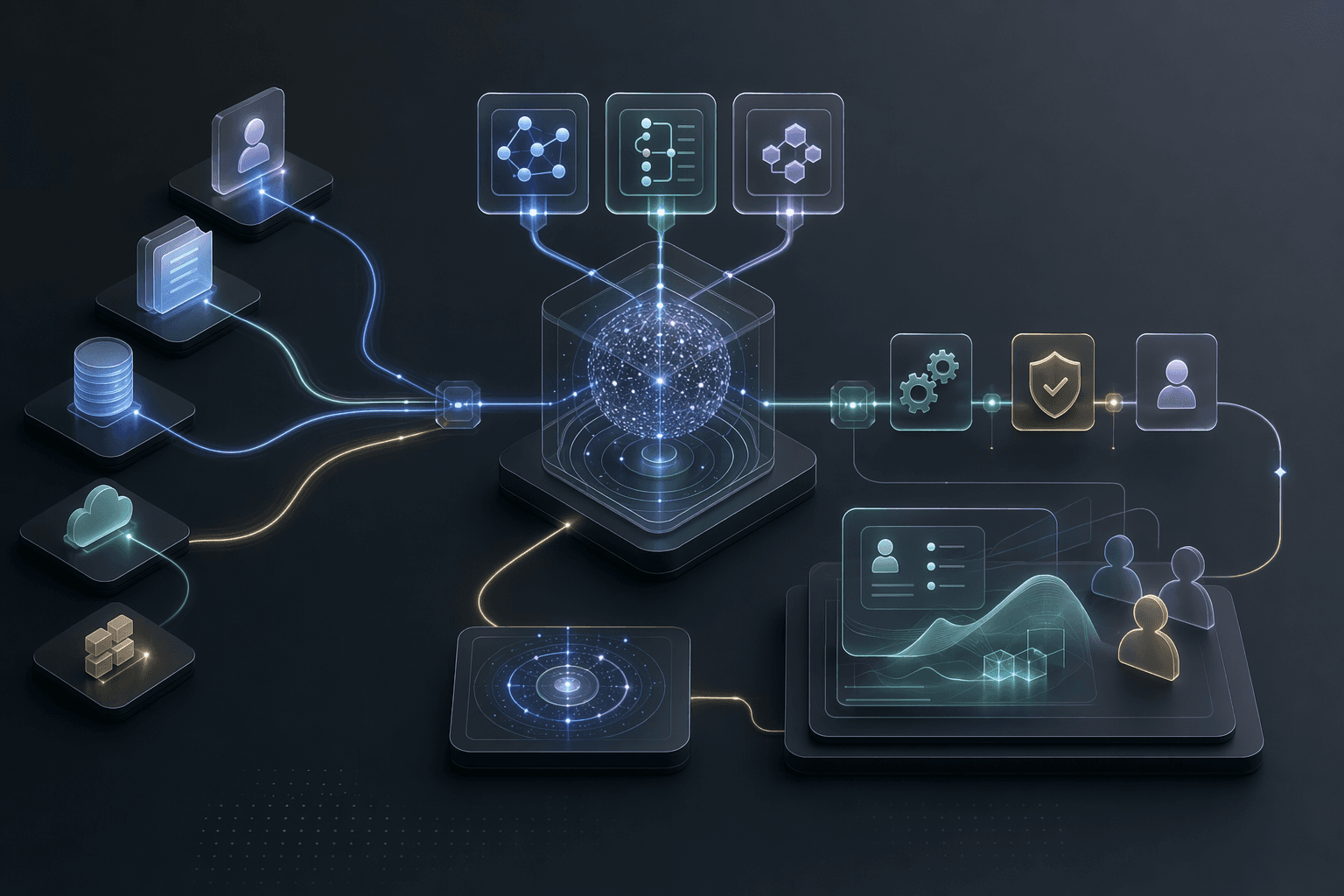
AI Agent Development Company: What to Look for Before Hiring One
Before hiring an AI agent development company, evaluate workflow discovery, data and tool mapping, permissions, approvals, logs, evaluations, deployment, and post-launch ownership.
AI Agents vs AI Automation vs AI Workflows: What Should You Build?
Build AI automation for repeatable tasks, AI workflows for coordinated steps, and AI agents when context, tools, and bounded reasoning decide the next move.
Enterprise AI Agent Readiness Checklist
An enterprise is ready for an AI agent when the workflow, data, tools, permissions, human review, evaluations, logs, monitoring, and launch owner are clear.
AI Agents for Enterprise Workflows: A Practical Build Guide
Enterprise AI agents become useful when they are scoped around a workflow, connected to the right tools, and governed by human review.
AI Automation for Customer Support: What to Automate First
Support automation should start with repetitive, well-bounded workflows and keep escalation clear for sensitive or unresolved cases.
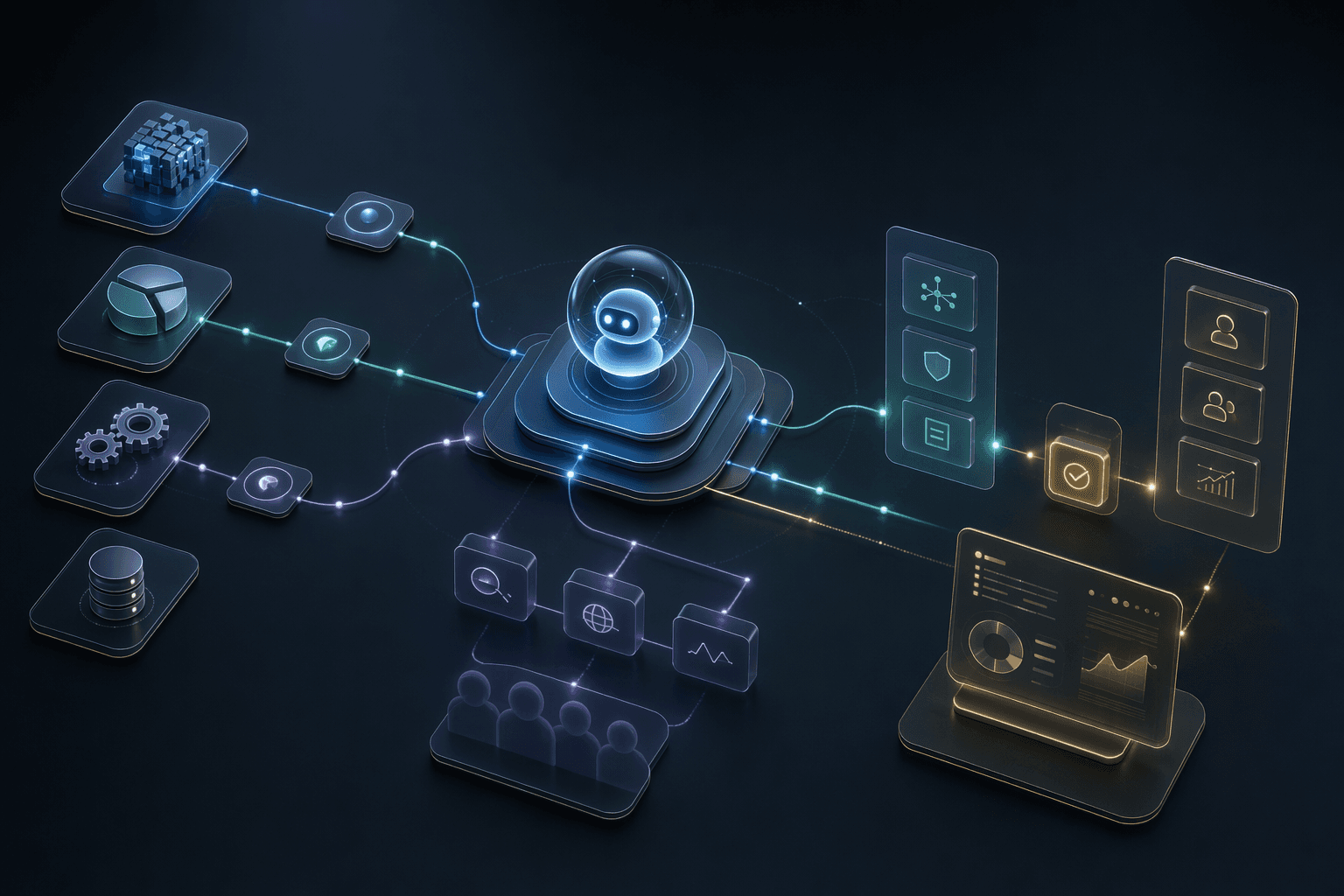
How to Connect AI Agents to CRMs, ERPs, and Internal Tools
AI agent integrations need scoped permissions, tool contracts, validation, retries, logging, and human approval for sensitive actions.
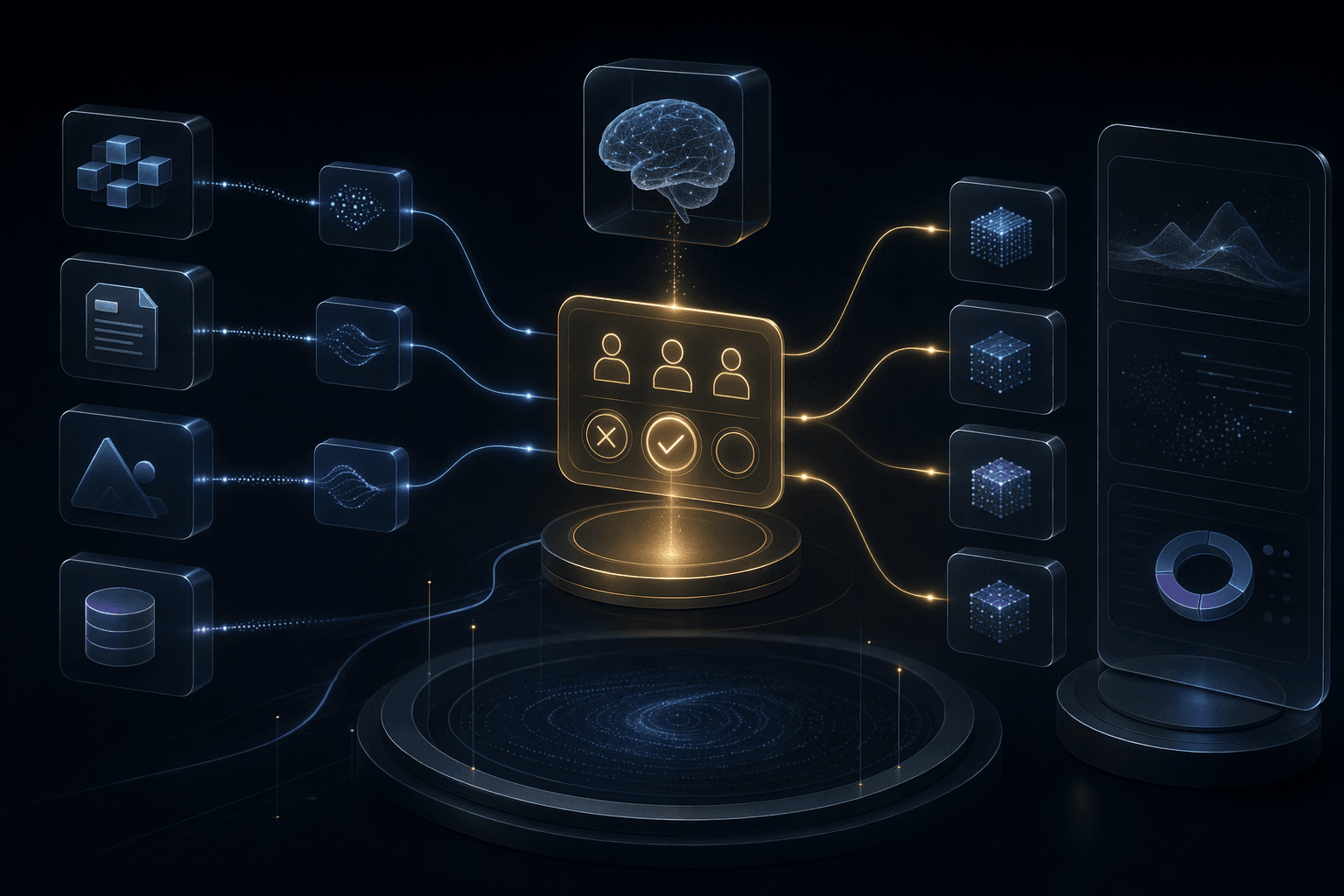
Human-in-the-Loop AI Automation: Where People Should Stay in Control
Human-in-the-loop design is not a weakness. It is how AI automation becomes usable in high-trust workflows.
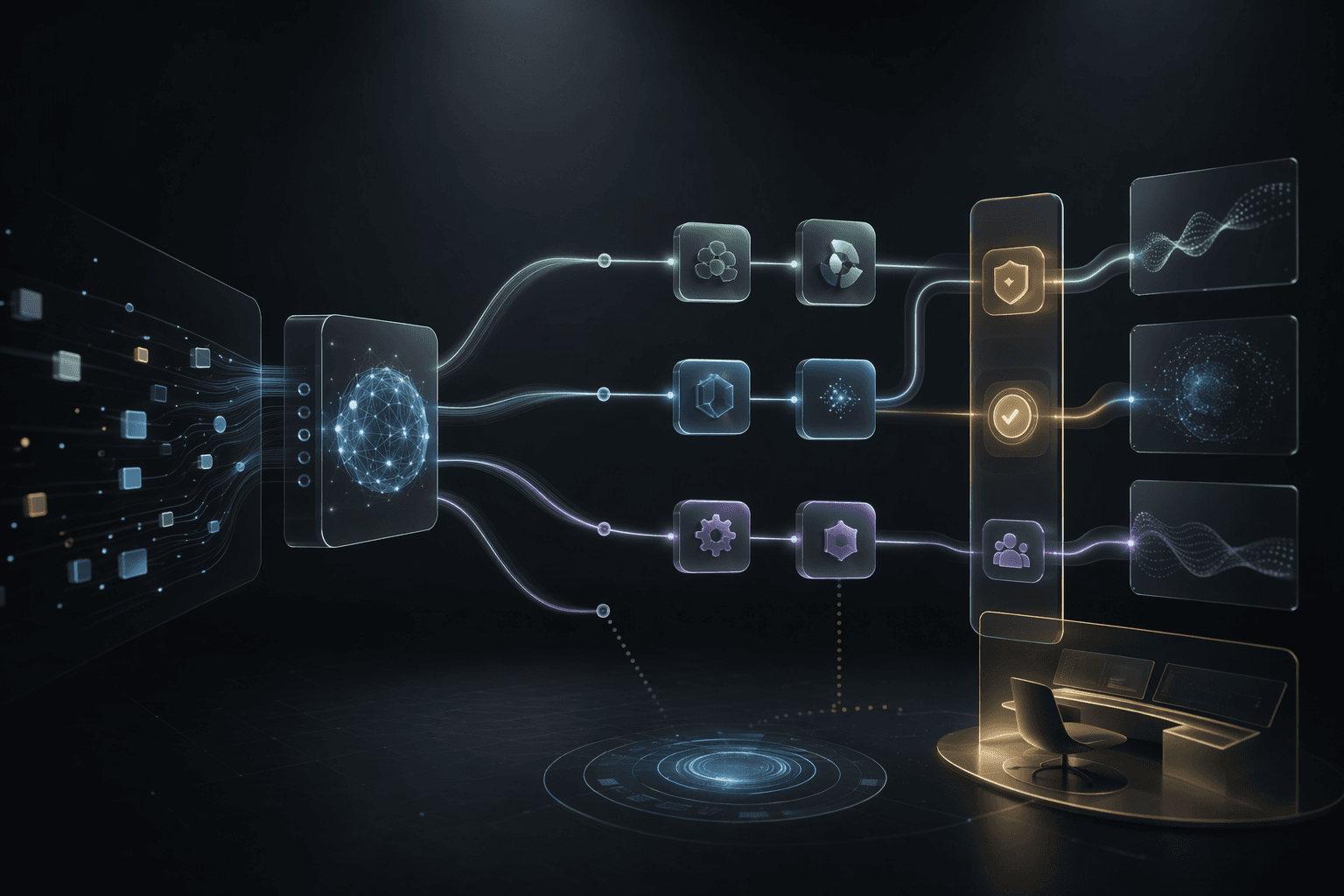
AI Workflow Automation Case Study Examples to Learn From
Case studies are most useful when they reveal workflow shape, constraints, architecture, and handoff paths rather than only headline outcomes.
5 articles
XR & Immersive Training
VR training simulations, mixed reality labs, virtual labs, platform choices, and immersive rollout planning.
Search intents covered
Plan a VR training simulation that supports real practice instead of a novelty demo.
Plan a mixed reality lab experience for engineering education and practical learning.
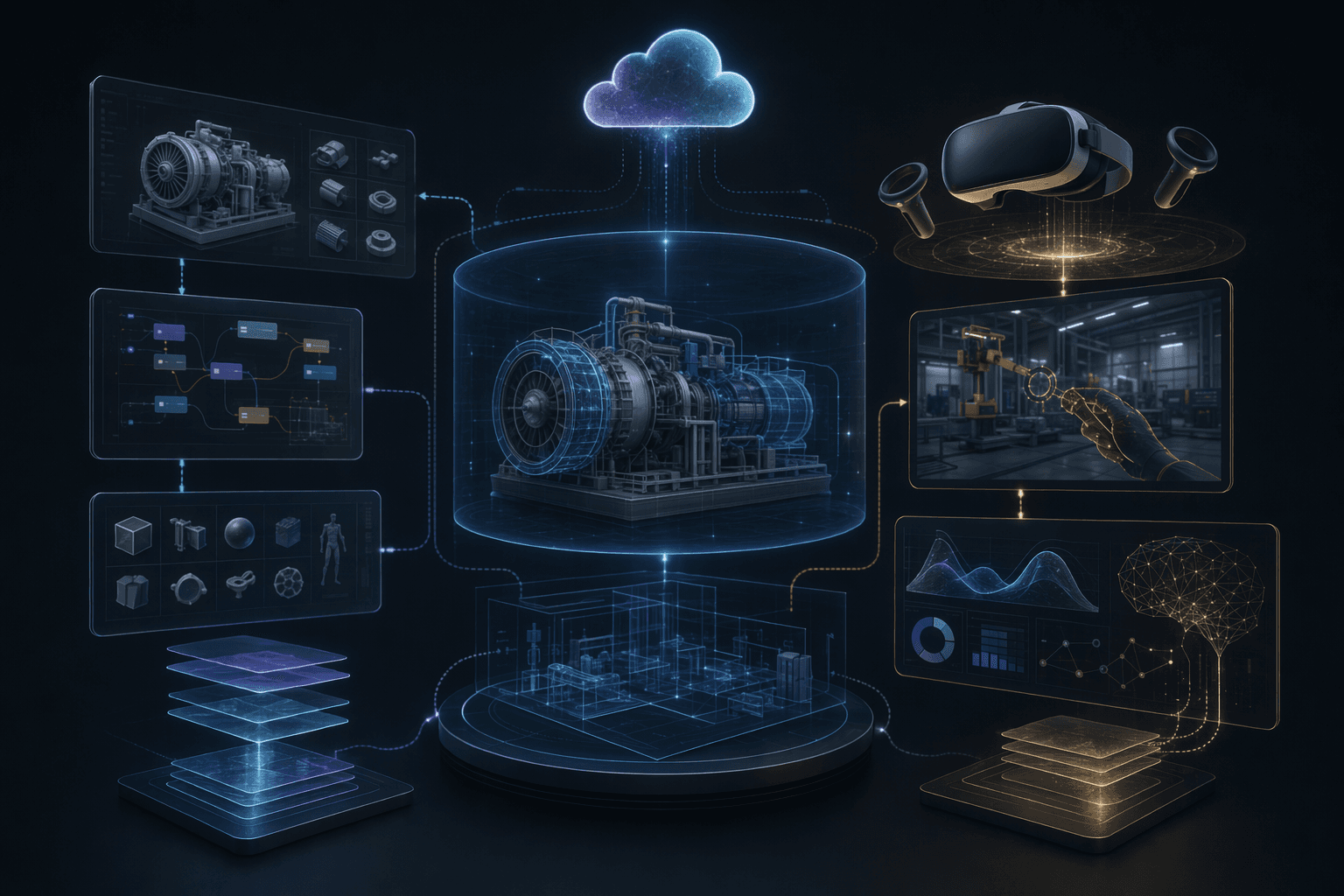
VR Training Simulation Development: A Practical Guide
A VR training simulation succeeds when the scenario, practice loop, device plan, and rollout model are designed around the learner's job.
Mixed Reality Labs for Engineering Education
Mixed reality labs work when they make abstract engineering concepts spatial, interactive, and repeatable without replacing instructor judgment.
XR for Employee Training and Engagement
XR employee programs work when they give teams a reason to practice, collaborate, or engage in ways ordinary screens cannot support well.
WebXR vs Unity WebGL vs Native VR Apps: Choosing the Right Stack
The right XR stack depends on reach, fidelity, hardware control, maintenance, and how the audience will access the experience.
How to Build a Virtual Lab for Education
A virtual lab should let students practice a concept or procedure that is hard to access, repeat, or visualize in ordinary classroom settings.
14 articles
AI Recruiting
AI interview simulation, recruiting copilots, fair screening, coding evaluation, and interview feedback systems.
Search intents covered
Compare VRecruit and HireVue for AI interviews, skills intelligence, recruiting workflow automation, technical hiring, candidate experience, and enterprise readiness.
Compare VRecruit and HackerRank for AI interviews, coding tests, AI-era developer skill evaluation, resume screening, candidate comparison, integrity checks, and HR integrations.
VRecruit vs HireVue: Which AI Interview Platform Fits Modern Hiring?
Choose between VRecruit and HireVue based on workflow requirements, current vendor capabilities, and the hiring process your team needs to operate.
VRecruit vs HackerRank: AI Interviews, Coding Tests, and Candidate Screening Compared
Compare VRecruit and HackerRank by fit: broader recruiting workflow versus developer skills assessment, coding tests, live technical interviews, and integrity controls.
VRecruit vs iMocha: Which Skill Assessment Platform Should Hiring Teams Evaluate?
Compare VRecruit and iMocha by fit: recruiter-facing screening-through-selection workflow versus skills assessment, skills intelligence, coding simulations, live coding interviews, and HR ecosystem integrations.
VRecruit vs Talview: AI Interview Automation for Enterprise Recruitment
Compare VRecruit and Talview by fit: recruiter-facing screening-through-selection workflow versus enterprise interview automation, proctoring, verification, and hiring integrity tools.
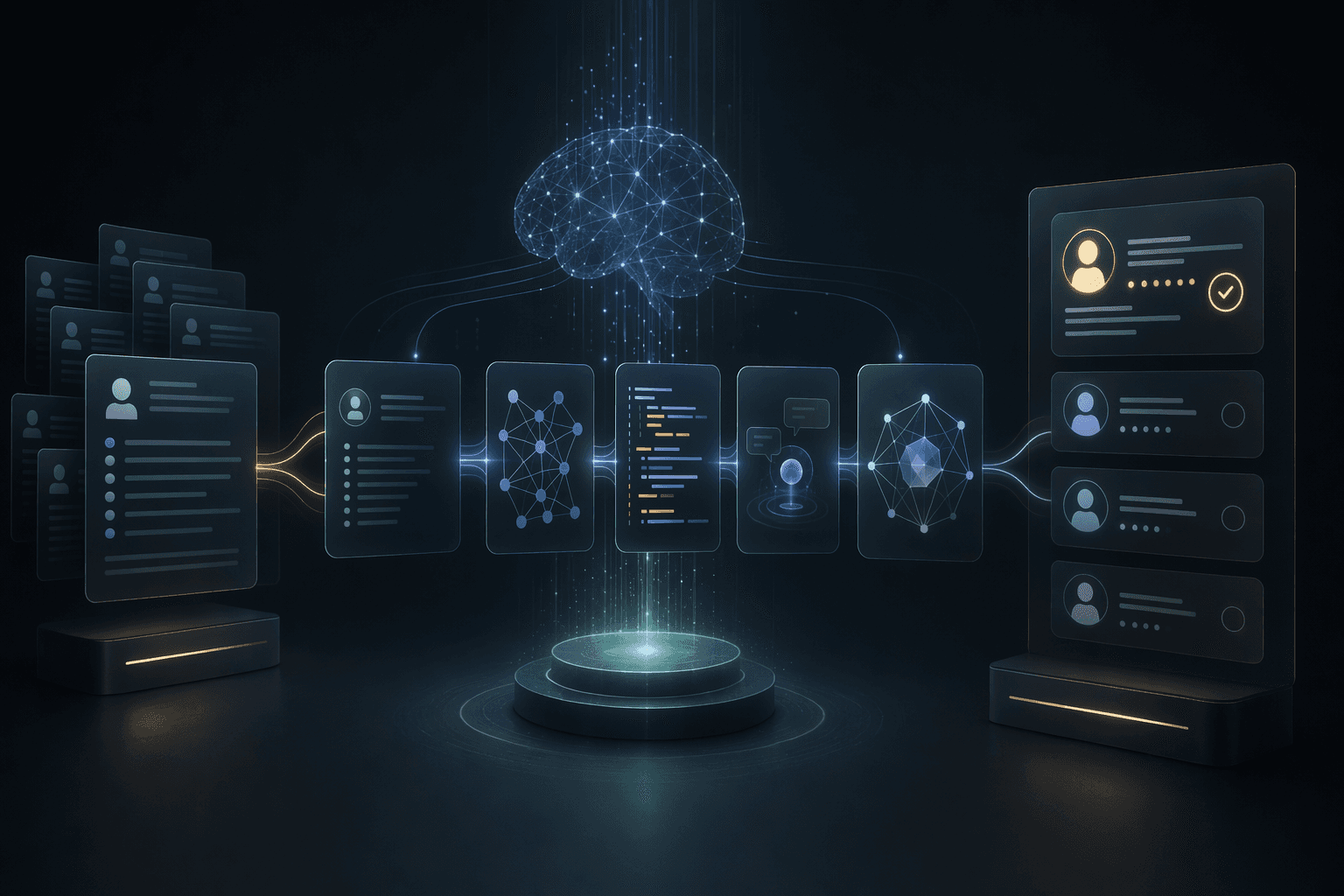
Best AI Recruiting Tools for Screening, Coding Tests, and Interviews
Shortlist AI recruiting tools by fit: resume screening, coding tests, dynamic AI interviews, proctoring, skills intelligence, ATS workflow, and reviewer evidence.
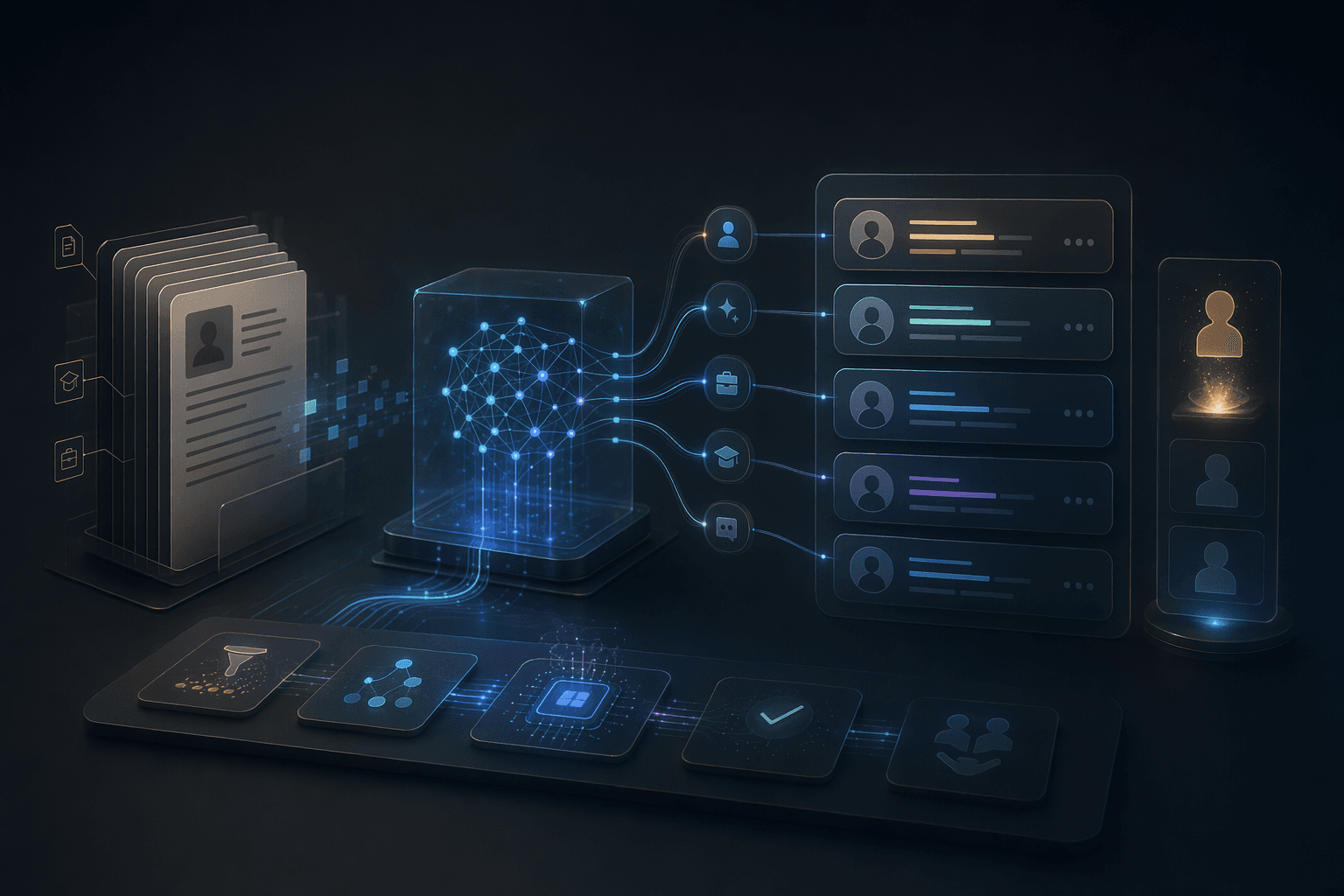
Best AI Resume Screening Tools for High-Volume Hiring
Shortlist AI resume screening tools by fit: bulk applicant review, criteria mapping, evidence quality, ATS workflow, fairness controls, and recruiter accountability.
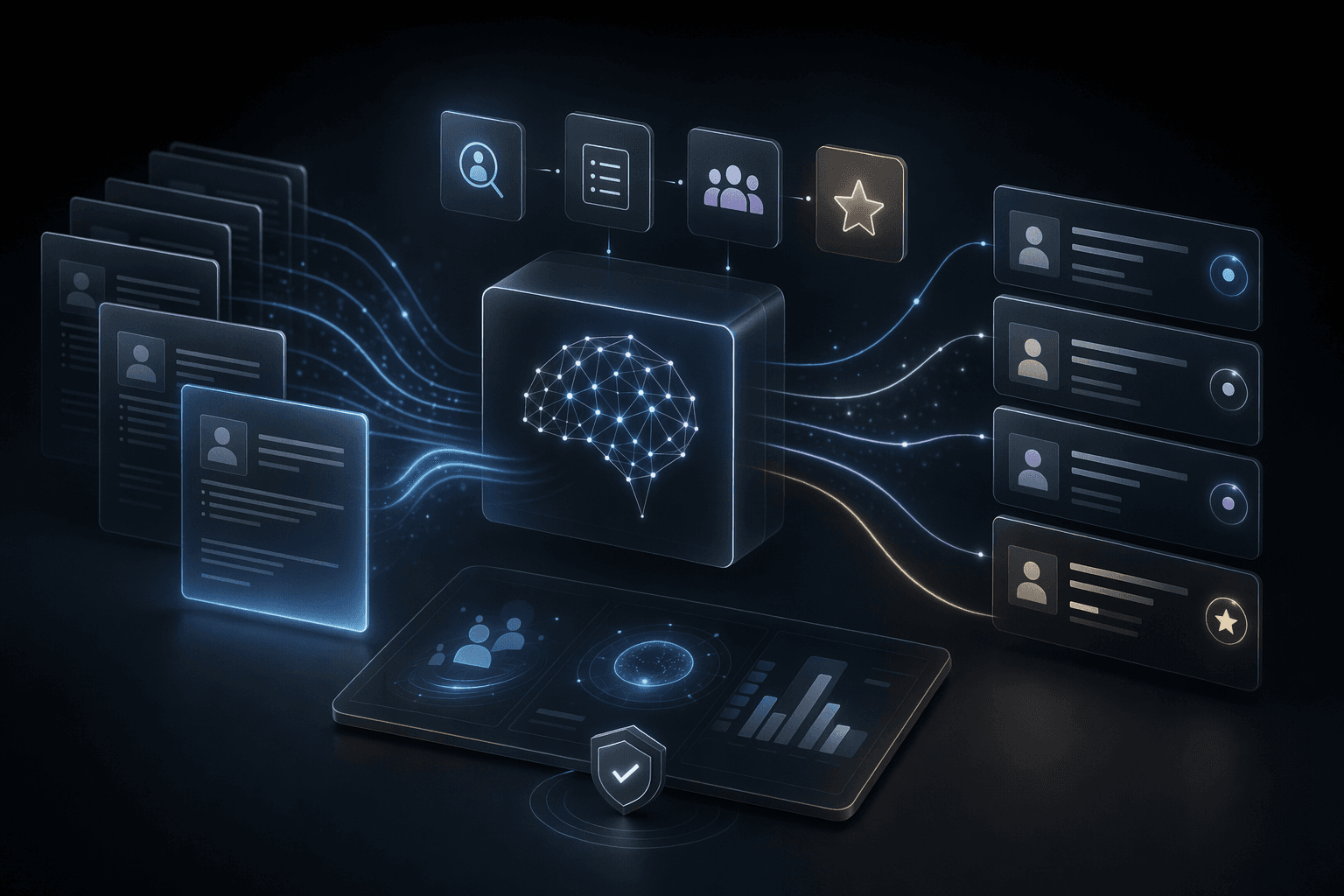
Best AI Interview Platforms for Technical Hiring Teams
Shortlist AI interview platforms by technical hiring fit: coding tests, live coding, AI/RAG simulations, interview automation, reviewer evidence, and recruiter workflow.
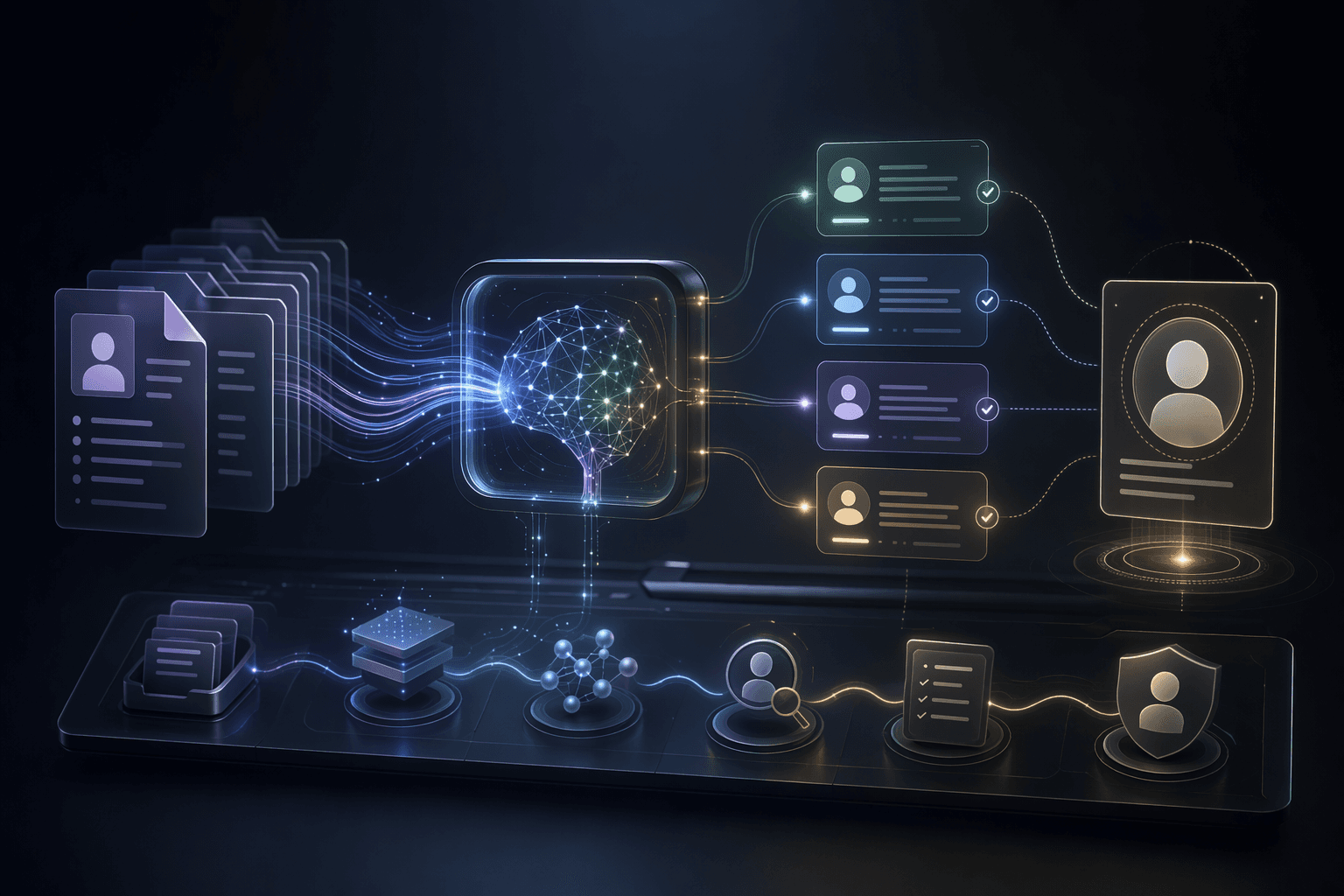
How to Use AI to Screen Candidates Before the First Interview
Use AI before the first interview to organize evidence, compare candidates against approved criteria, and prepare recruiter review without automating hiring decisions.
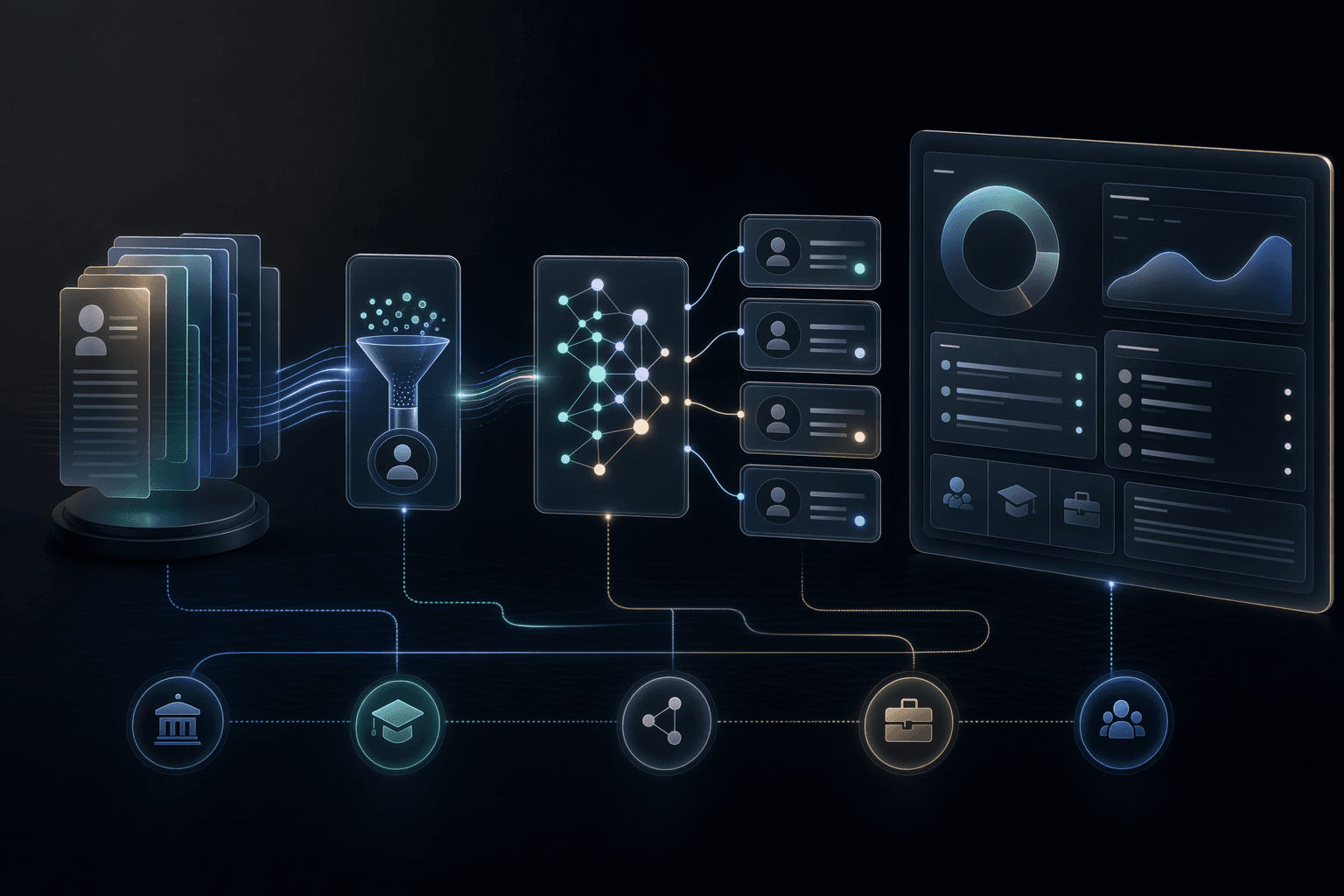
AI Interview Platform for Campus Hiring: What Universities and Employers Should Evaluate
Evaluate AI interview platforms for campus hiring by workflow fit, candidate experience, coding evidence, scheduling, integrity review, panel review, and governance.
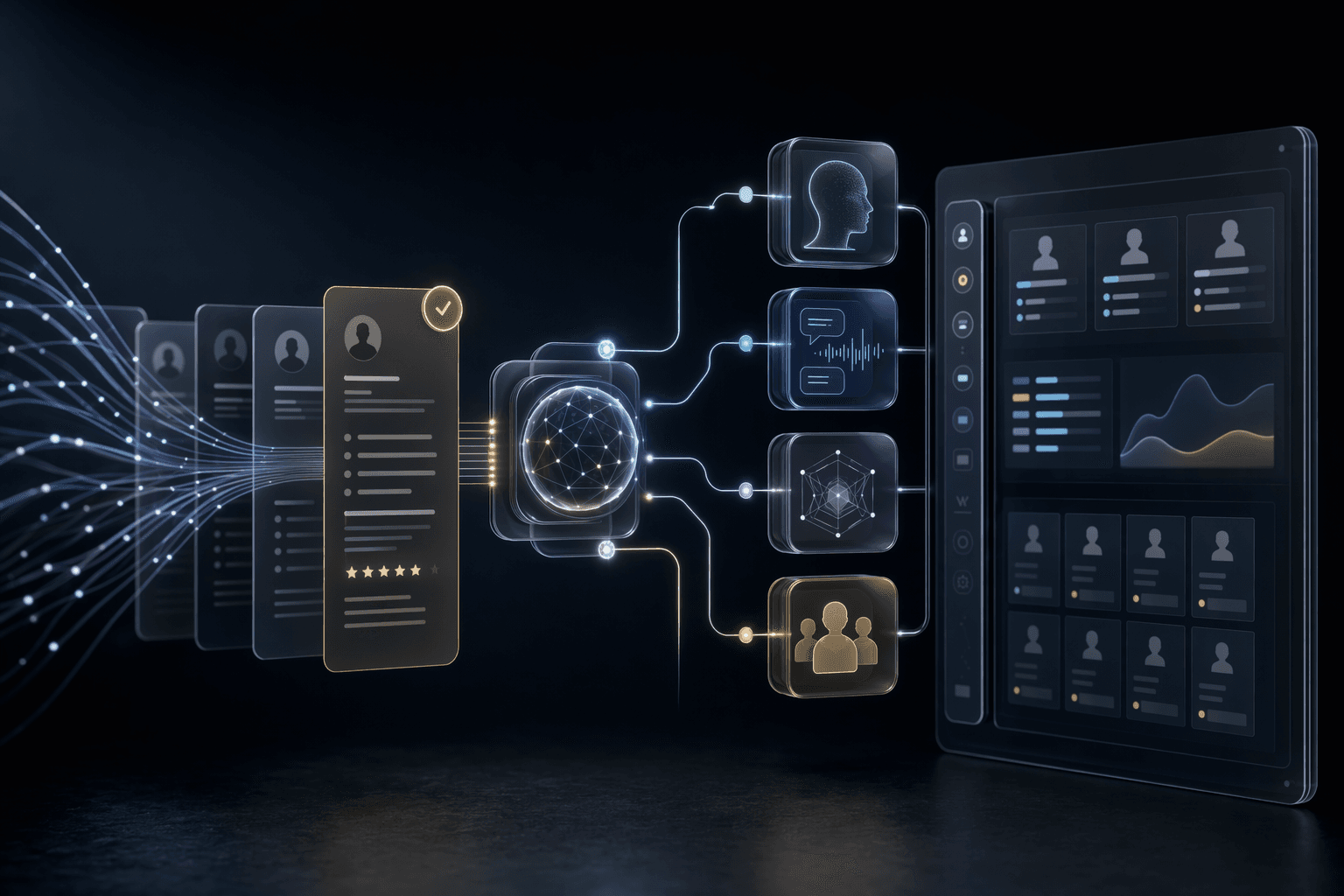
AI Interview Simulation for Colleges: What a Useful Platform Needs
College interview simulation should help students practice, reflect, and improve without turning AI feedback into an unsupported hiring decision.
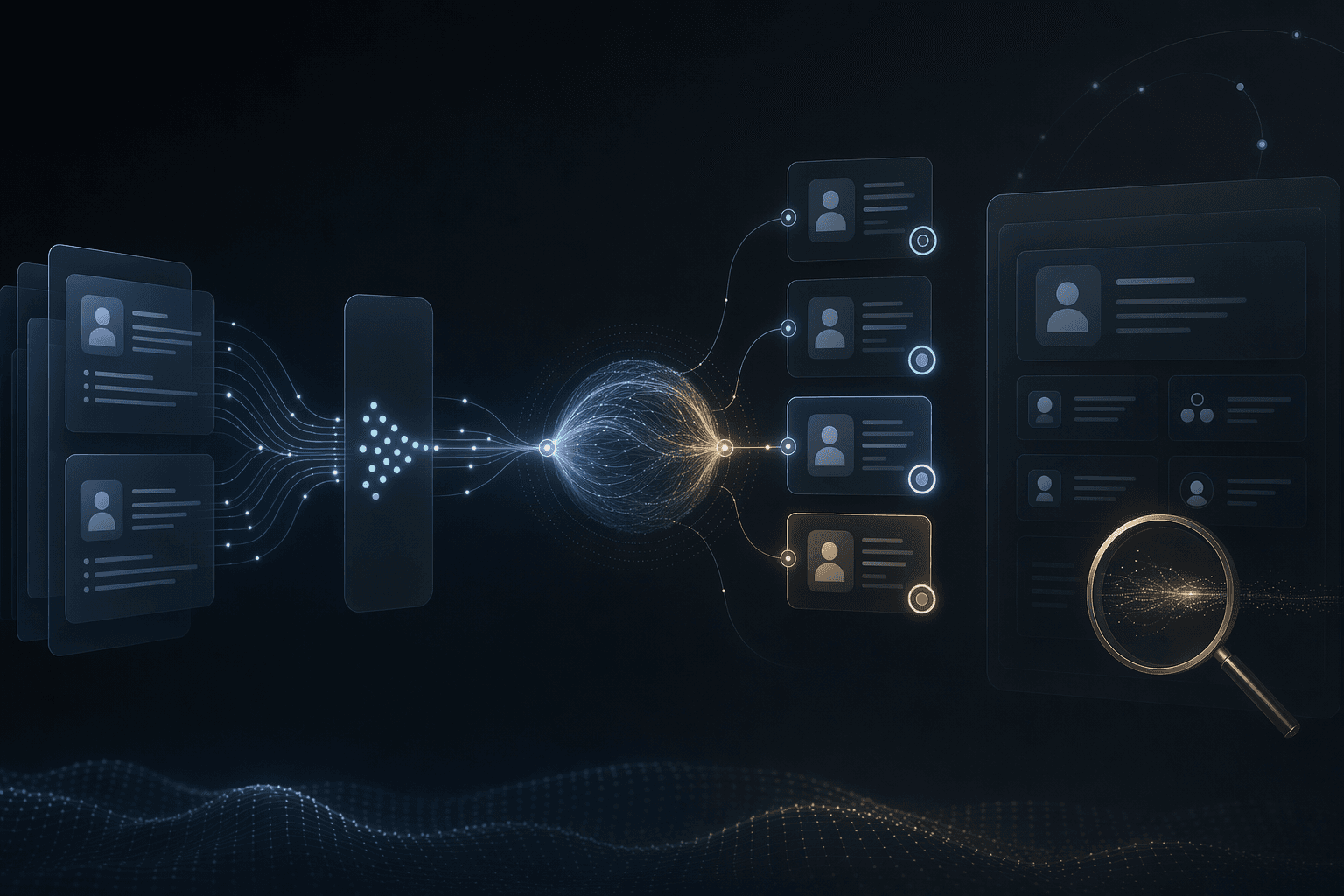
AI Recruiting Copilot for HR Teams: What to Automate and What to Review
An AI recruiting copilot should organize evidence, automate coordination, and support recruiter review without making final hiring decisions.
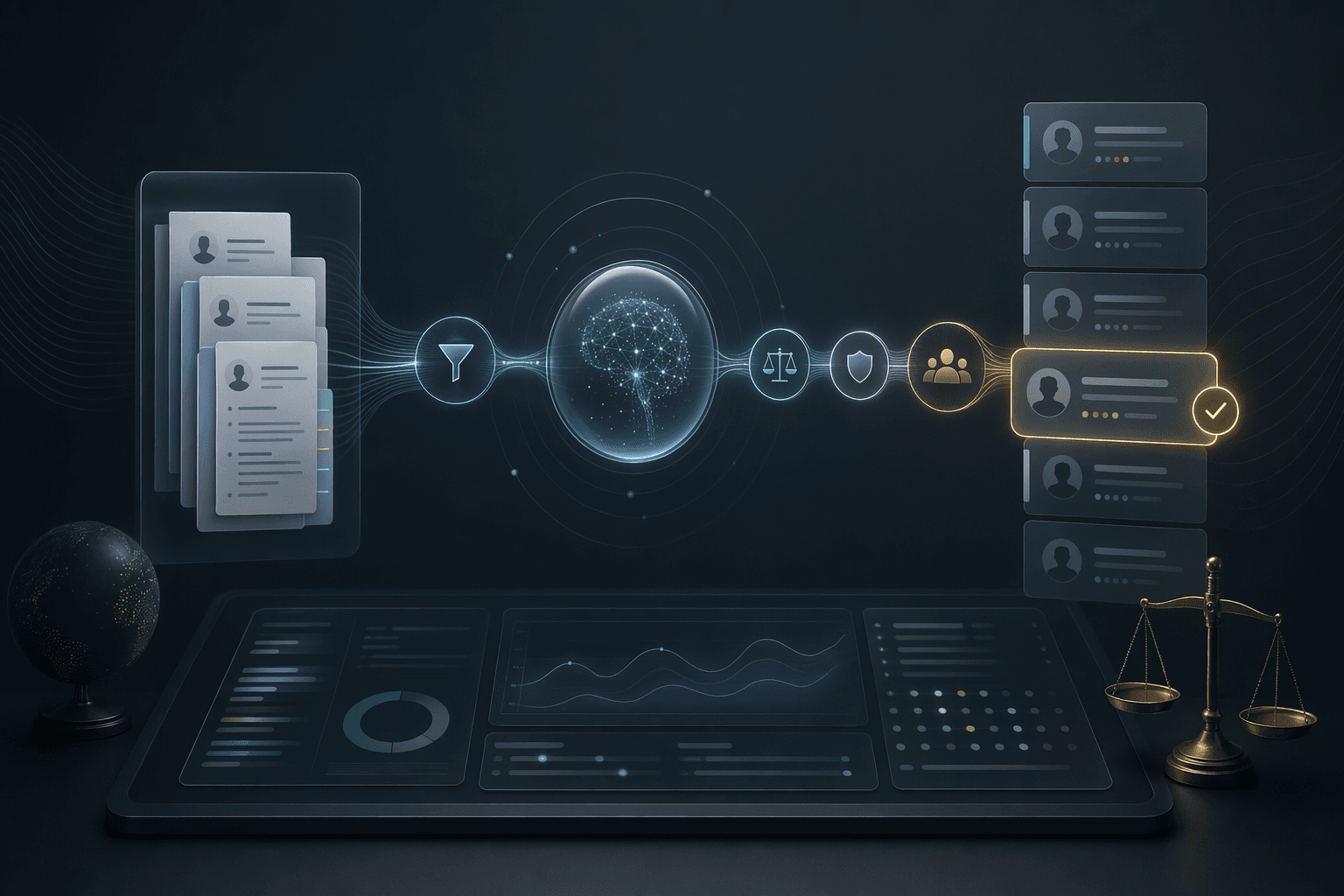
How AI Can Screen Resumes Fairly: A Conservative Framework
AI can support resume screening by organizing evidence against approved criteria, but final decisions need human review and fairness controls.
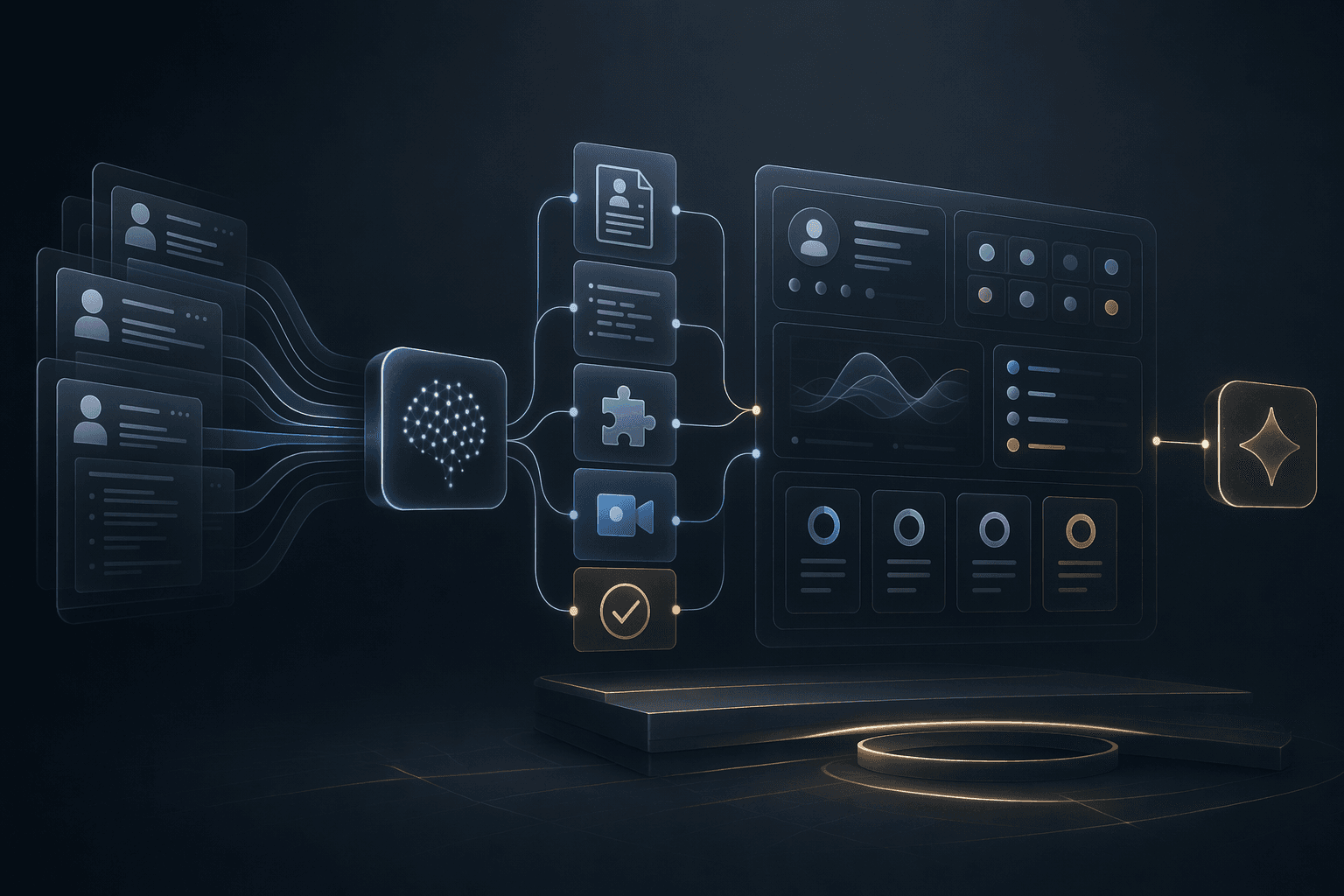
Coding Interview Automation Tools: What to Build, Buy, or Avoid
Coding interview automation should improve consistency and review quality without turning candidate assessment into an opaque score.
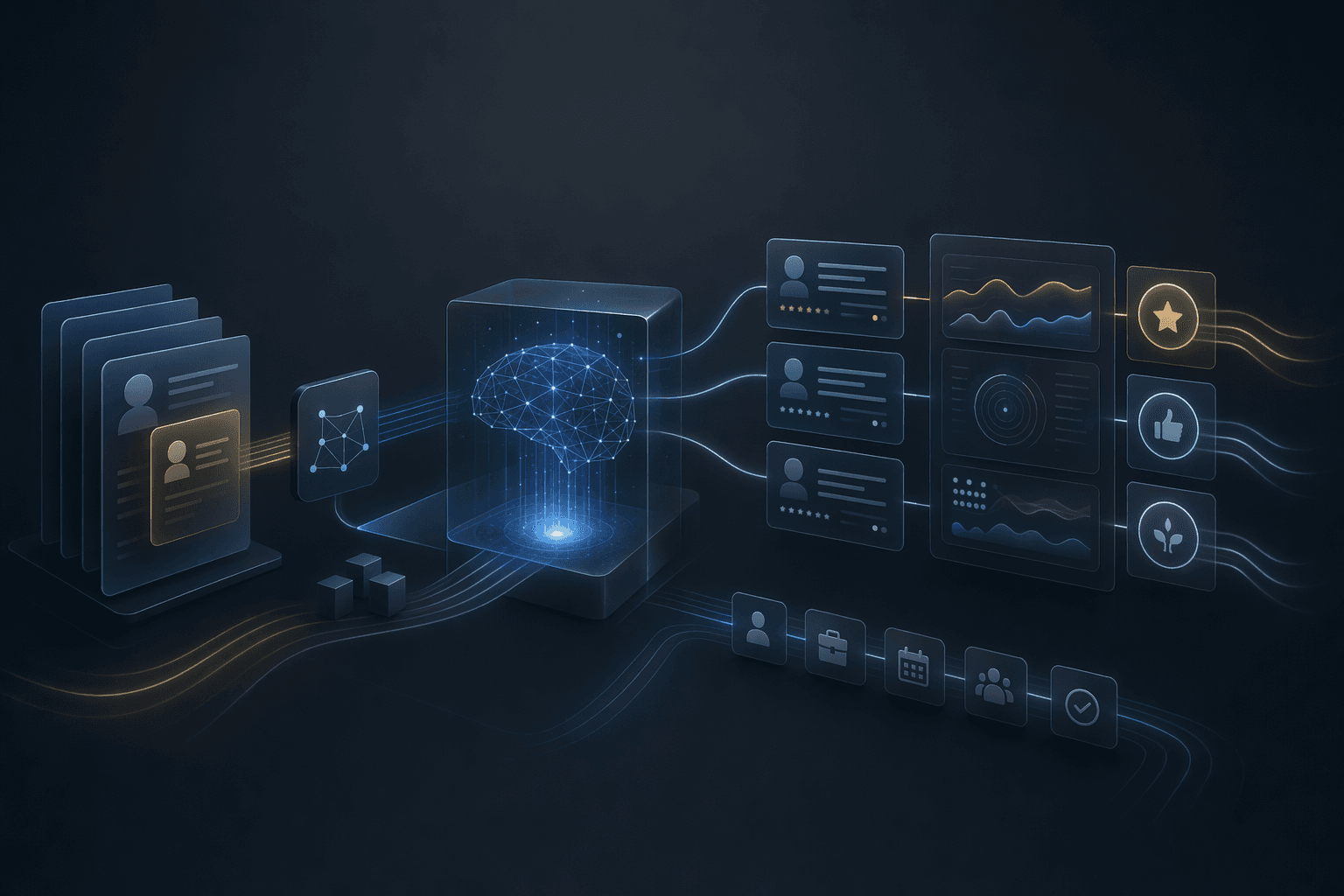
AI Interview Feedback Systems: Designing Feedback Candidates Can Use
AI interview feedback should be specific, evidence-based, respectful, and clear about what candidates can improve next.